
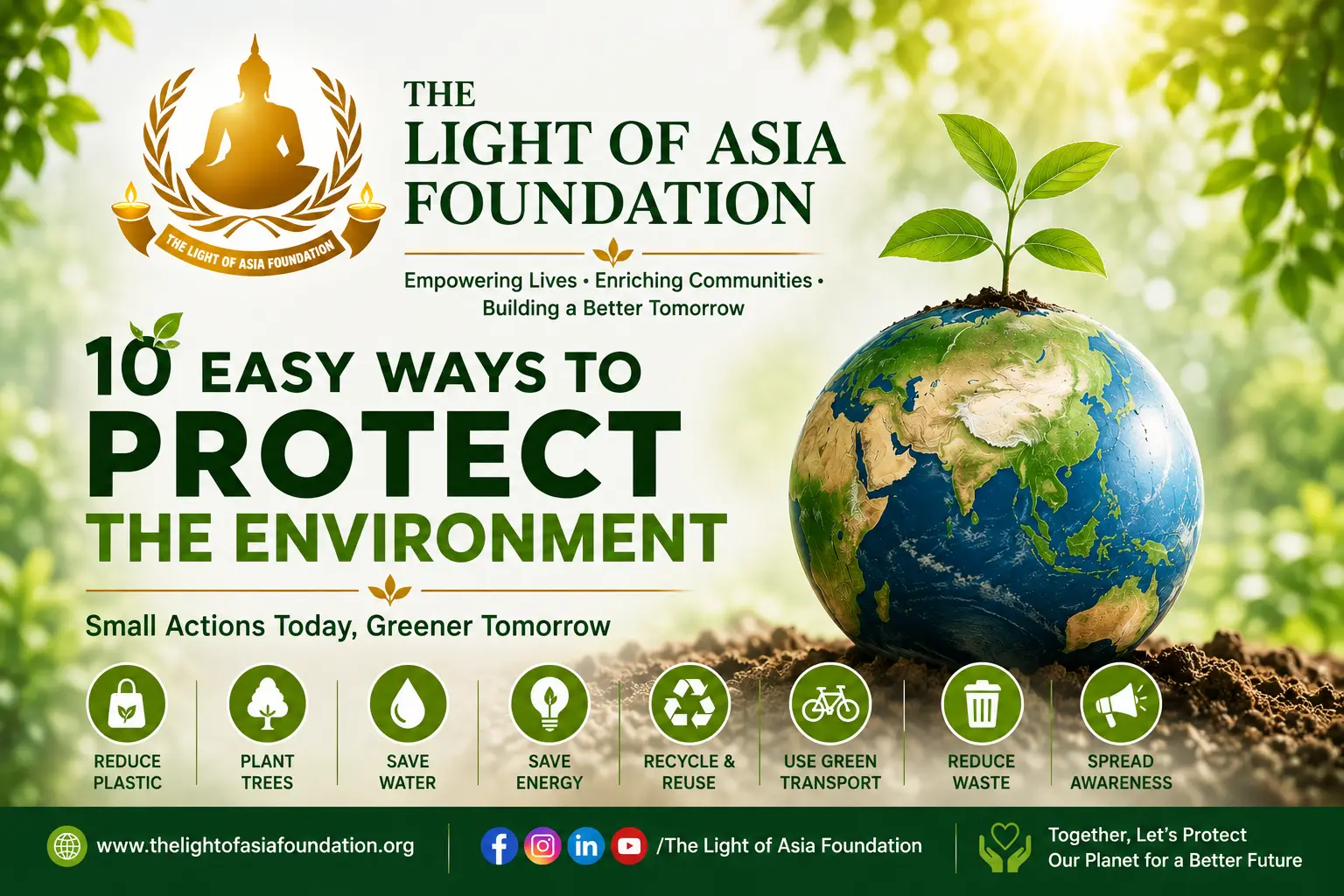

Protect the environment is not just the responsibility of governments and organizations—it is a shared duty of every individual. The choices we make in our daily lives have a direct impact on the health of our planet. From reducing pollution to conserving natural resources, even the smallest efforts can contribute to a cleaner, healthier, and more sustainable world. At The Light of Asia Foundation, we believe that creating environmental awareness and encouraging sustainable living are essential steps toward building a better future for generations to come. Learn more about our mission by visiting our About Us page. If you are interested in our environmental initiatives, explore our Environment & Sustainable Development programs.
1. Reduce the Use of Plastic
One of the easiest and most effective ways to protect the environment is by reducing the use of single-use plastics. Plastic bags, bottles, straws, and disposable packaging often end up polluting rivers, oceans, and forests, where they remain for hundreds of years. Replacing these items with reusable alternatives such as cloth bags, stainless steel water bottles, and eco-friendly containers significantly reduces waste. According to the United Nations Environment Programme (UNEP), reducing plastic pollution is one of the most effective ways to protect ecosystems and biodiversity.
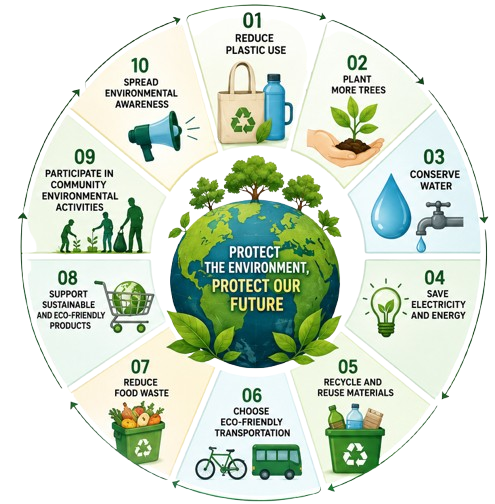
2. Plant More Trees
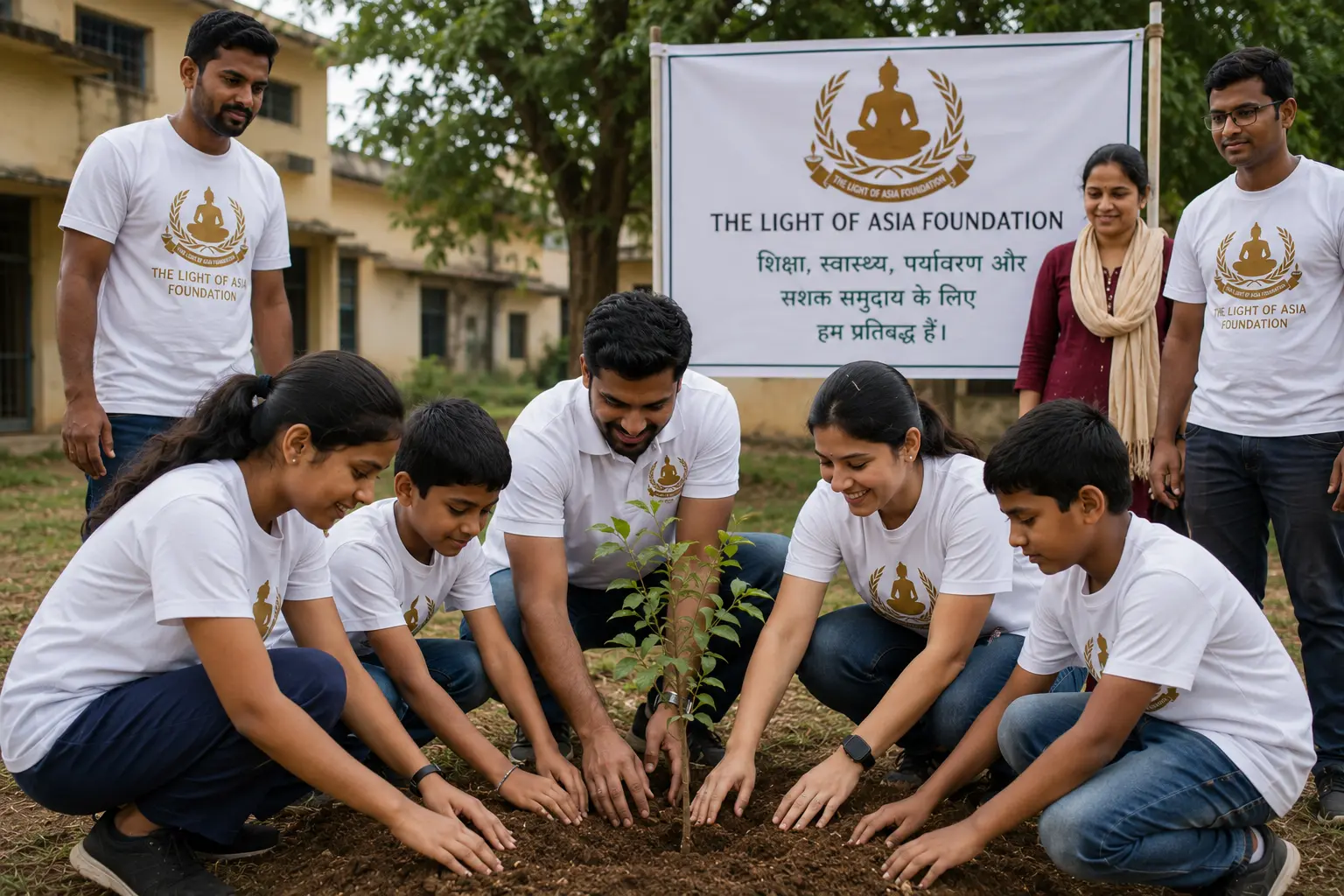
Trees are among nature’s greatest gifts. They absorb carbon dioxide, release oxygen, improve air quality, prevent soil erosion, and provide habitats for countless species of birds and animals. Planting trees in schools, parks, neighborhoods, or even around your home contributes to a healthier environment and combats climate change. Every year, World Environment Day encourages millions of people worldwide to participate in tree plantation and environmental conservation activities.
3. Conserve Water
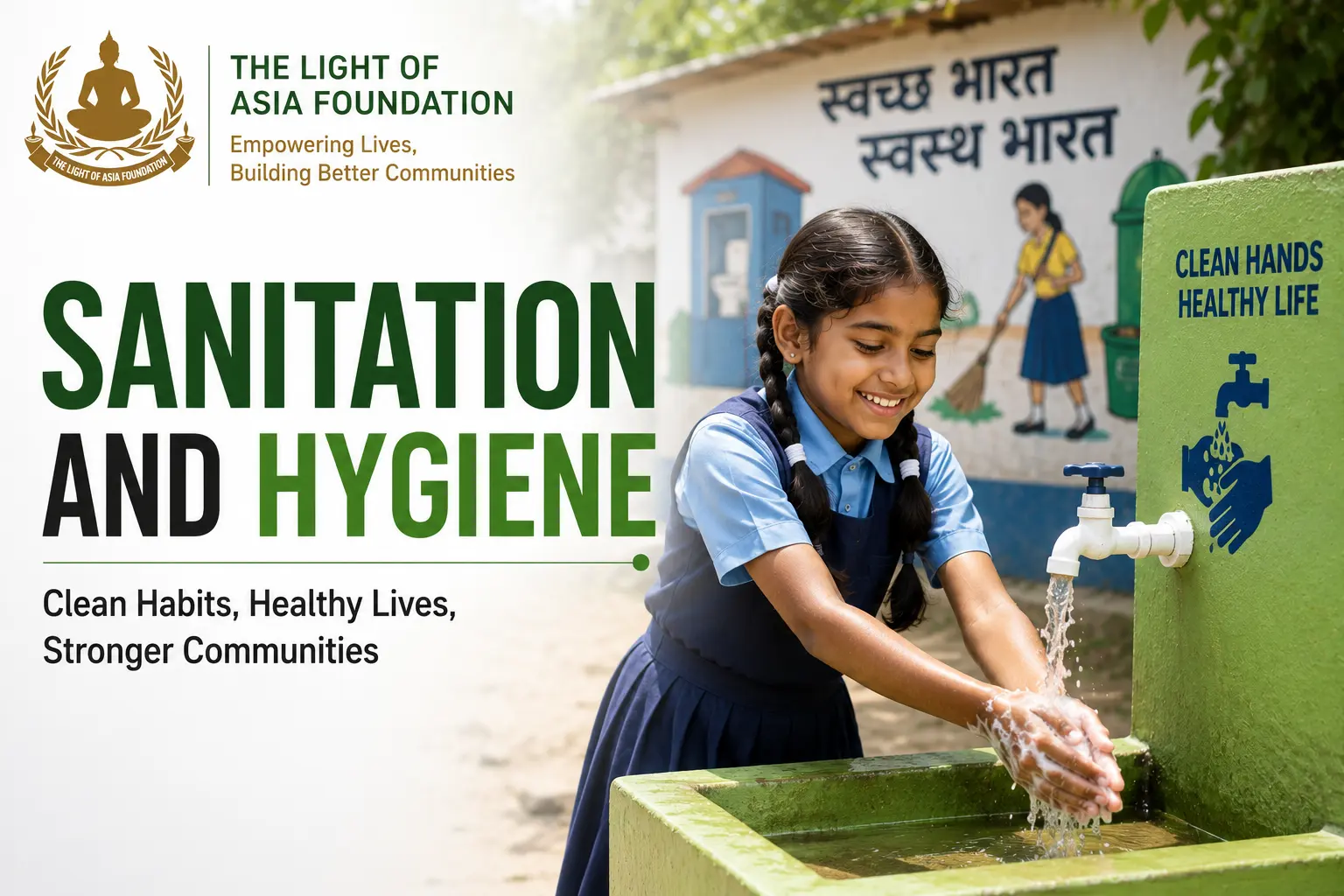
Water is one of the most precious natural resources, yet millions of liters are wasted every day due to careless habits. Conserving water is a simple but powerful way to protect the environment. Turning off taps when not in use, fixing leaking pipes, using water-efficient fixtures, and collecting rainwater for gardening are practical steps that reduce unnecessary water consumption. Responsible water use ensures that this vital resource remains available for future generations while also reducing the energy required for water treatment and distribution.
4. Save Electricity and Energy
Reducing electricity consumption helps decrease greenhouse gas emissions because much of the world’s electricity is still generated using fossil fuels. Switching off lights, fans, computers, and other electrical appliances when they are not needed can make a noticeable difference. Using LED bulbs, energy-efficient appliances, and maximizing natural sunlight during the day are simple practices that conserve energy. These habits not only protect the environment but also reduce household electricity bills, making sustainability both environmentally and economically beneficial.
5. Recycle and Reuse Materials
Proper waste management plays a significant role in environmental conservation. Instead of throwing away materials such as paper, glass, metal, and plastic, recycling them allows valuable resources to be used again while reducing landfill waste. Reusing household items, donating usable clothes, repairing products instead of replacing them, and choosing recycled goods all contribute to a circular economy. Organizations like the World Wide Fund for Nature (WWF) promote responsible resource management to protect wildlife and natural habitats.
6. Choose Eco-Friendly Transportation
Transportation is a major contributor to air pollution and carbon emissions. Whenever possible, choosing environmentally friendly transportation options such as walking, cycling, carpooling, or using public transport helps reduce the environmental impact of daily travel. If purchasing a new vehicle, considering electric or hybrid options can further lower carbon emissions. Even replacing a few short car trips each week with healthier alternatives contributes to cleaner air and supports efforts to combat climate change.
7. Reduce Food Waste
Food waste is a serious environmental issue because producing food requires significant amounts of water, energy, and land resources. Wasting food also increases greenhouse gas emissions when it decomposes in landfills. Planning meals carefully, buying only the required quantity of food, storing groceries properly, and using leftovers creatively can greatly reduce food waste. Donating surplus food to those in need is another meaningful way to support both environmental sustainability and social responsibility.
8. Support Sustainable and Eco-Friendly Products
Every purchase we make influences the environment. Choosing products made from biodegradable, recycled, or sustainably sourced materials encourages businesses to adopt environmentally responsible practices. Purchasing locally produced goods also reduces transportation emissions while supporting local communities. Consumers who prioritize eco-friendly products help create greater demand for sustainable manufacturing, ultimately contributing to a healthier planet.
9. Participate in Community Environmental Activities
Protect the environment becomes even more effective when communities work together. Participating in neighborhood clean-up drives, tree plantation campaigns, recycling programs, and environmental awareness events strengthens community involvement while creating cleaner public spaces. If you would like to make a direct impact, explore Our Projects or become part of our mission by joining.
10. Spread Environmental Awareness
Creating awareness is one of the most powerful tools for environmental protection. Sharing knowledge about climate change, pollution, conservation, and sustainable living encourages others to adopt environmentally friendly habits. Schools, colleges, workplaces, social media platforms, and local community events all provide opportunities to educate people about protecting nature. When awareness spreads, positive environmental actions multiply, creating long-term benefits for society and the planet.
At The Light of Asia Foundation, we are committed to promoting environmental sustainability through education, awareness campaigns, and community engagement. If you would like to support our initiatives, you can Donate Now or Contact Us to learn how you can contribute toward creating a cleaner, greener, and more sustainable future.