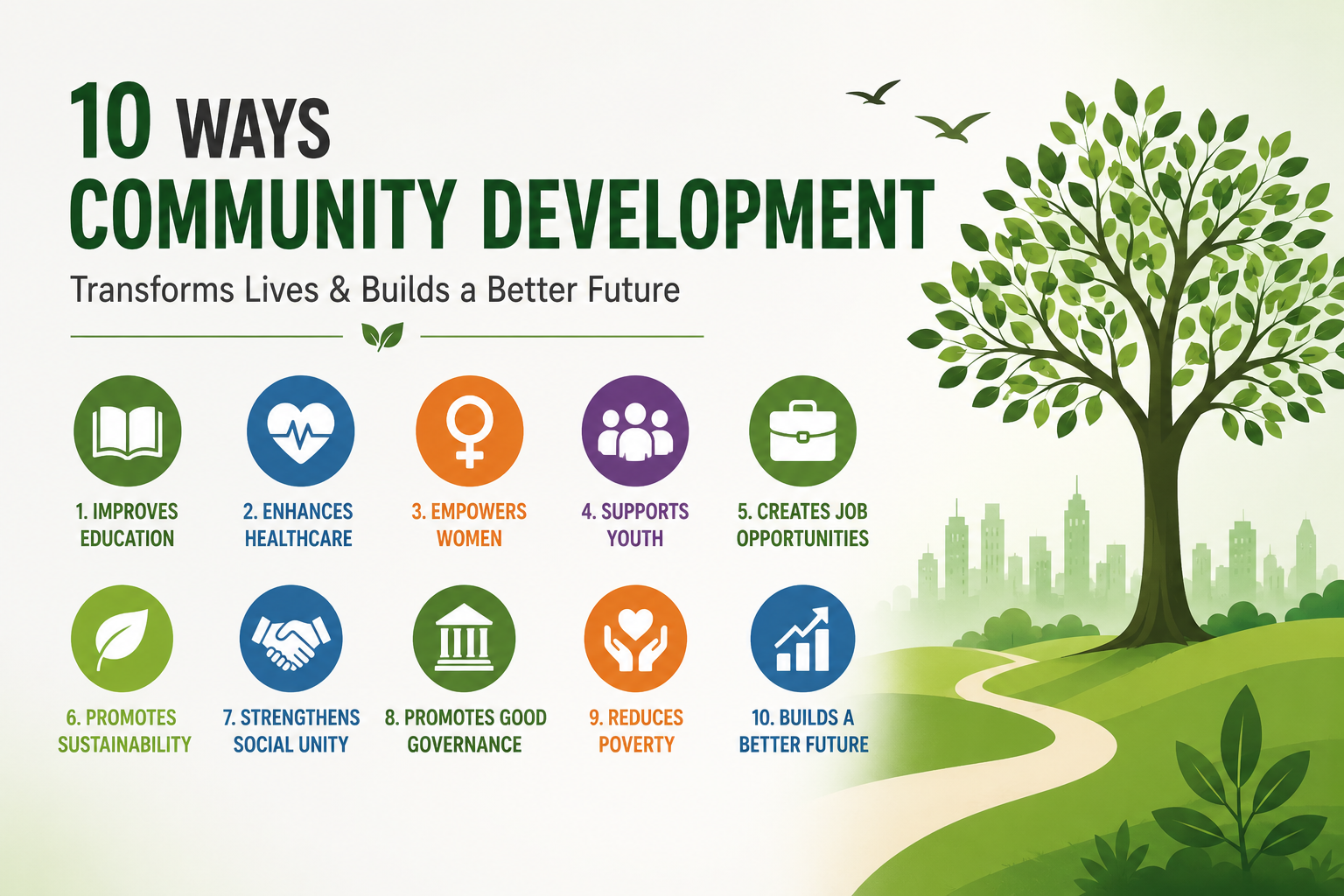


Environment Development are essential for building healthier communities, protecting natural resources, and ensuring long-term social and economic progress. A balanced approach to Environment Development helps improve people’s quality of life while preserving the planet for future generations.
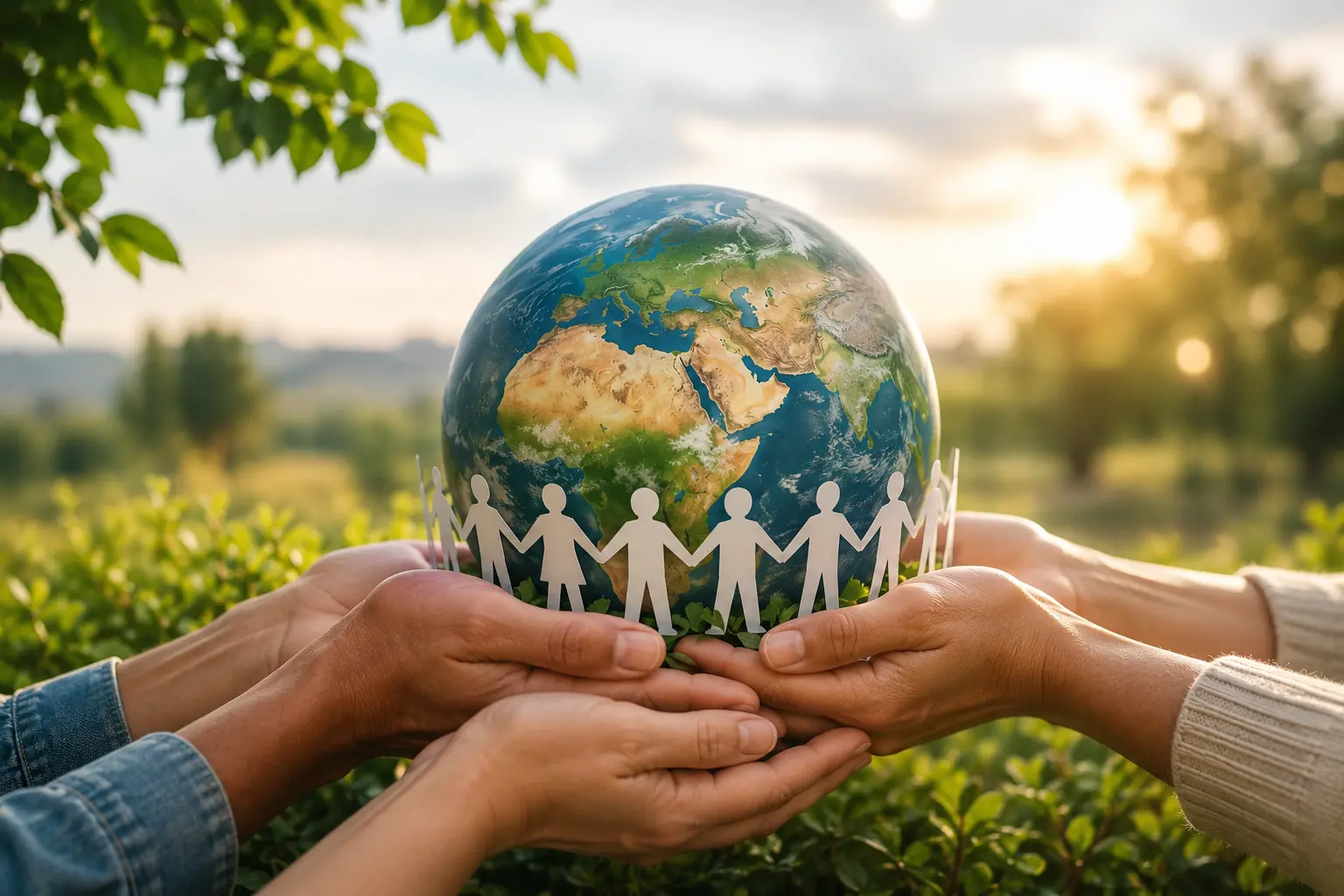
Sustainable development is the process of meeting present needs without compromising the ability of future generations to meet their own needs. It promotes a balanced approach that integrates environmental protection, social well-being, and economic growth. By adopting sustainable practices, communities can improve their quality of life while conserving natural resources for future generations.
Understanding Sustainable Development
Sustainable development leans on the idea that economic growth and caring for the environment should go together, like it’s one thing, not separate. Basically, development must bring chances for people, while still making sure natural resources stay there for future generations not later kind of.
This direction promotes careful use of materials, switching to renewable energy, doing less with trash and better waste reduction, alongside real environmental protection, and also community involvement. Sustainable development isn’t just some big global duty, it’s also a close to home promise that starts inside communities, organizations, and even households, day after day.
Why Environment Development Matter
The importance of Environment Development continues to grow as communities face climate change, pollution, deforestation, and biodiversity loss. Promoting Environment Development helps reduce environmental risks while supporting healthier and more resilient communities.
Environmental Challenges Facing Communities
Many communities across the world are seeing environmental problems , that in turn affect health, livelihoods and the overall quality of life. Stuff like air pollution, contaminated water, the decline of biodiversity, too much waste being produced, and climate related disasters have been showing up more often lately.
Deforestation messes with natural habitats and also feeds into climate change, not always in a straight line but still clearly. Weak waste management then causes further environmental damage and can bring serious health risks. At the same time , rising temperatures and shifting weather patterns touch agriculture, water availability, and food security. Taken together, these pressures make it feel pretty urgent to work together, and to move toward sustainable solutions that actually stick, even when it’s inconvenient.
The Role of Environmental Education
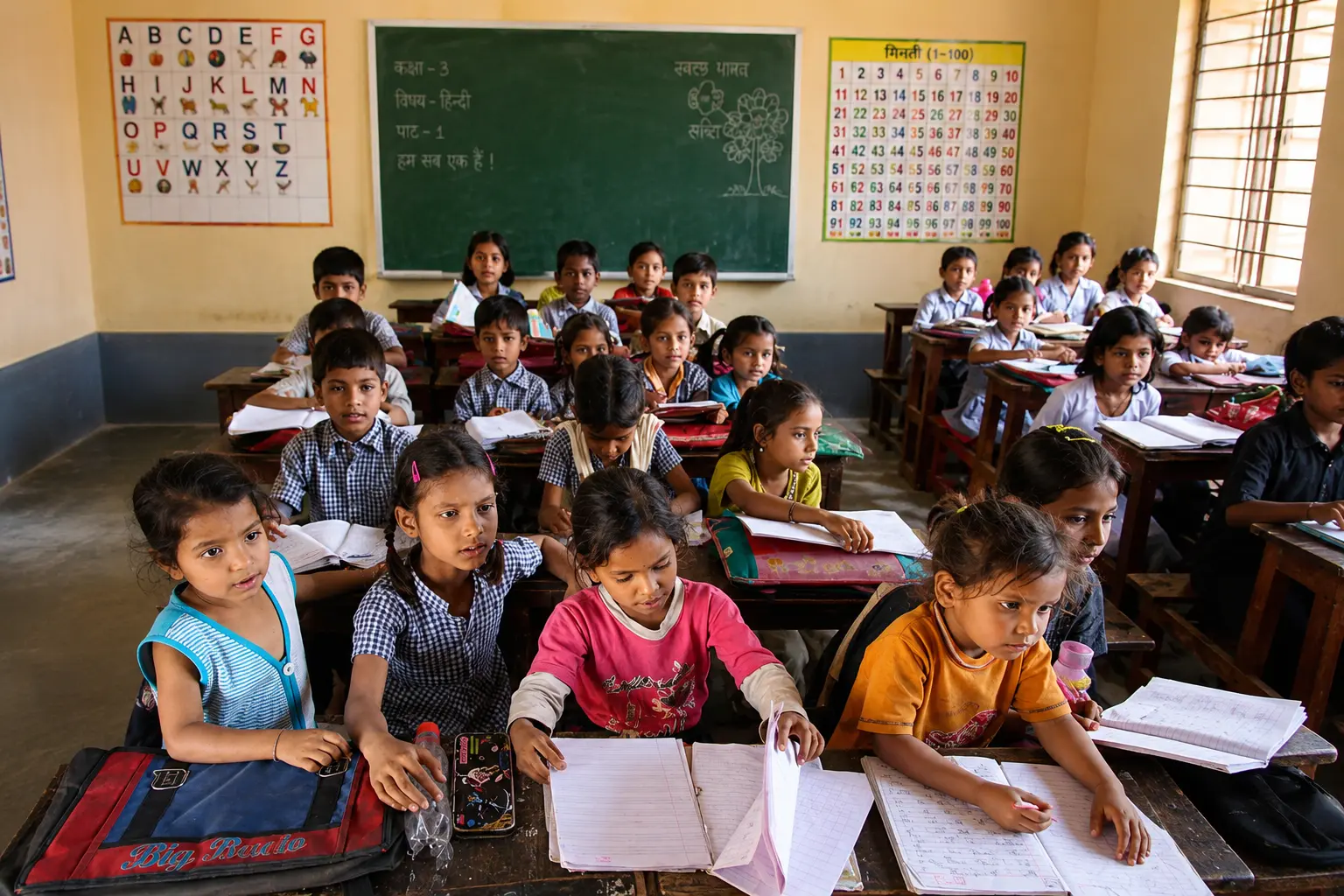
You know, environmental awareness is kinda essential for building that whole culture of sustainability, even if it doesn’t always look obvious at first. Education really helps people get a clearer picture about why it matters to safeguard natural resources, and how to adopt environmentally responsible behaviors , not just “for now” but as a habit.
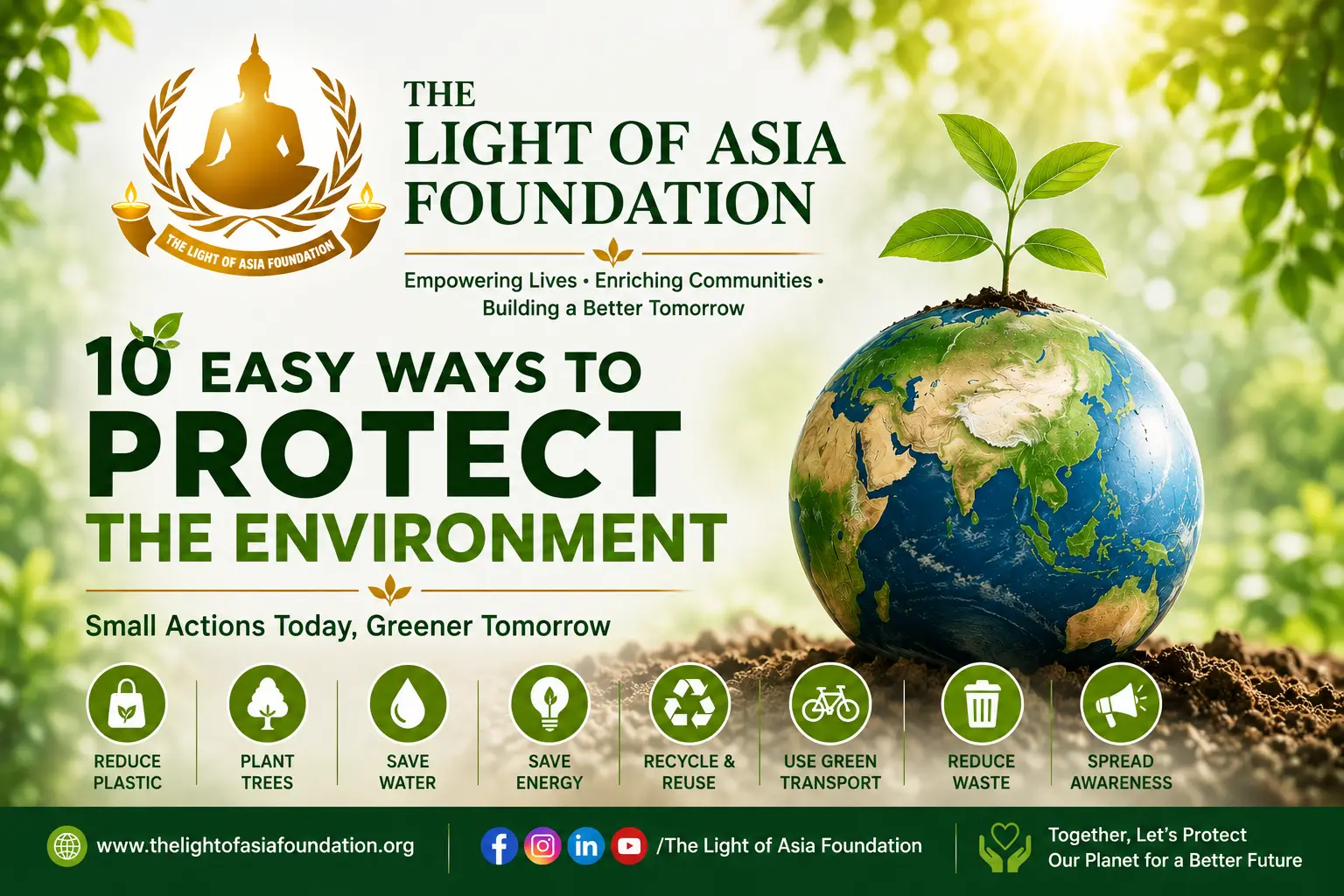
When Schools, community groups, and those awareness campaigns actually show up, people start thinking about conserving water, cutting down waste, planting trees, recycling materials, and backing eco-friendly practices. And honestly, environmental education gives individuals the ability to choose more thoughtfully, the kind of choices that end up helping both society and the planet too, together.
Community Participation in Environmental Protection
Sustainable environmental change kind of needs active community involvement, not just policies on paper. Local residents are really important, they have a direct role in safeguarding natural resources and pushing environmental stewardship forward.
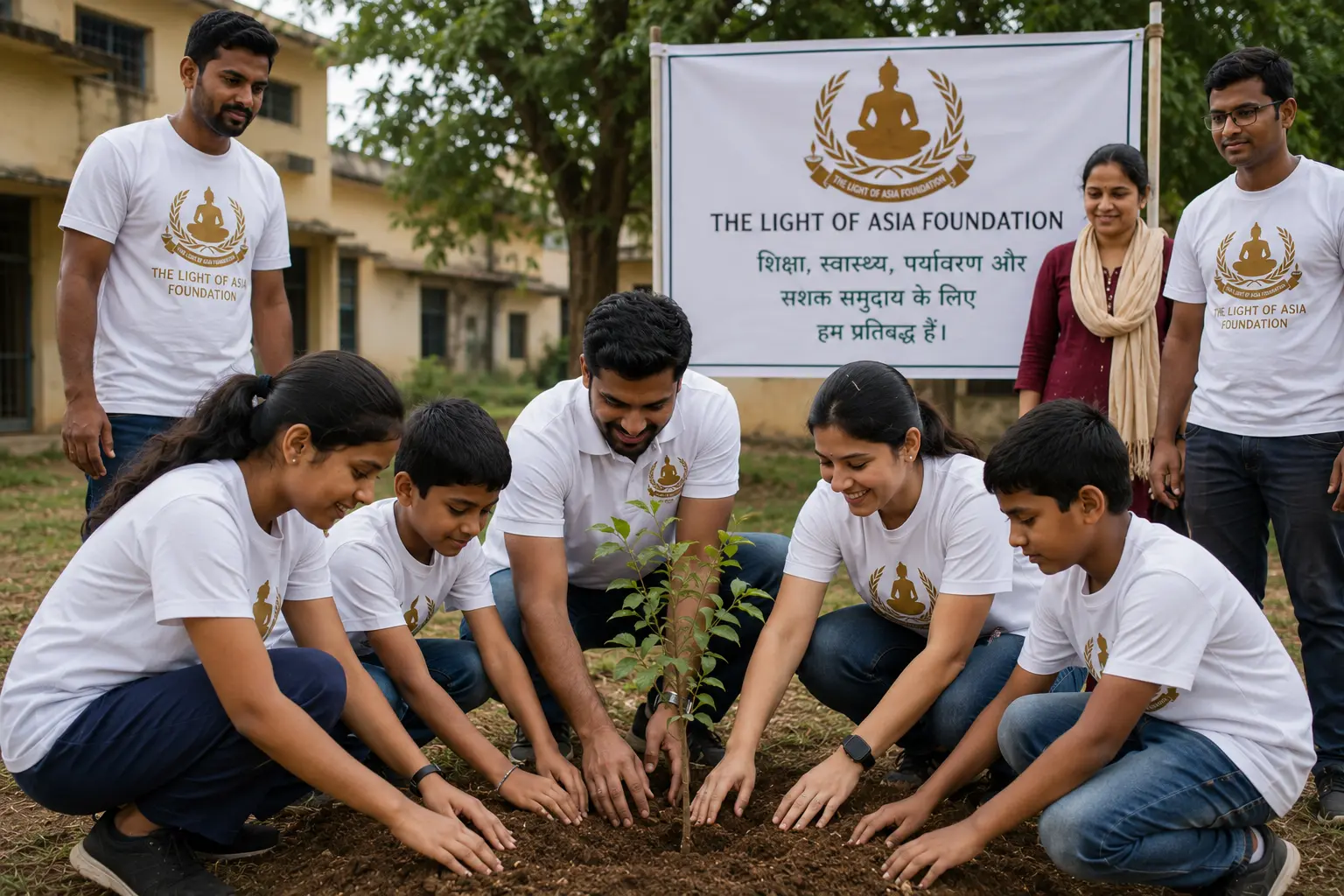
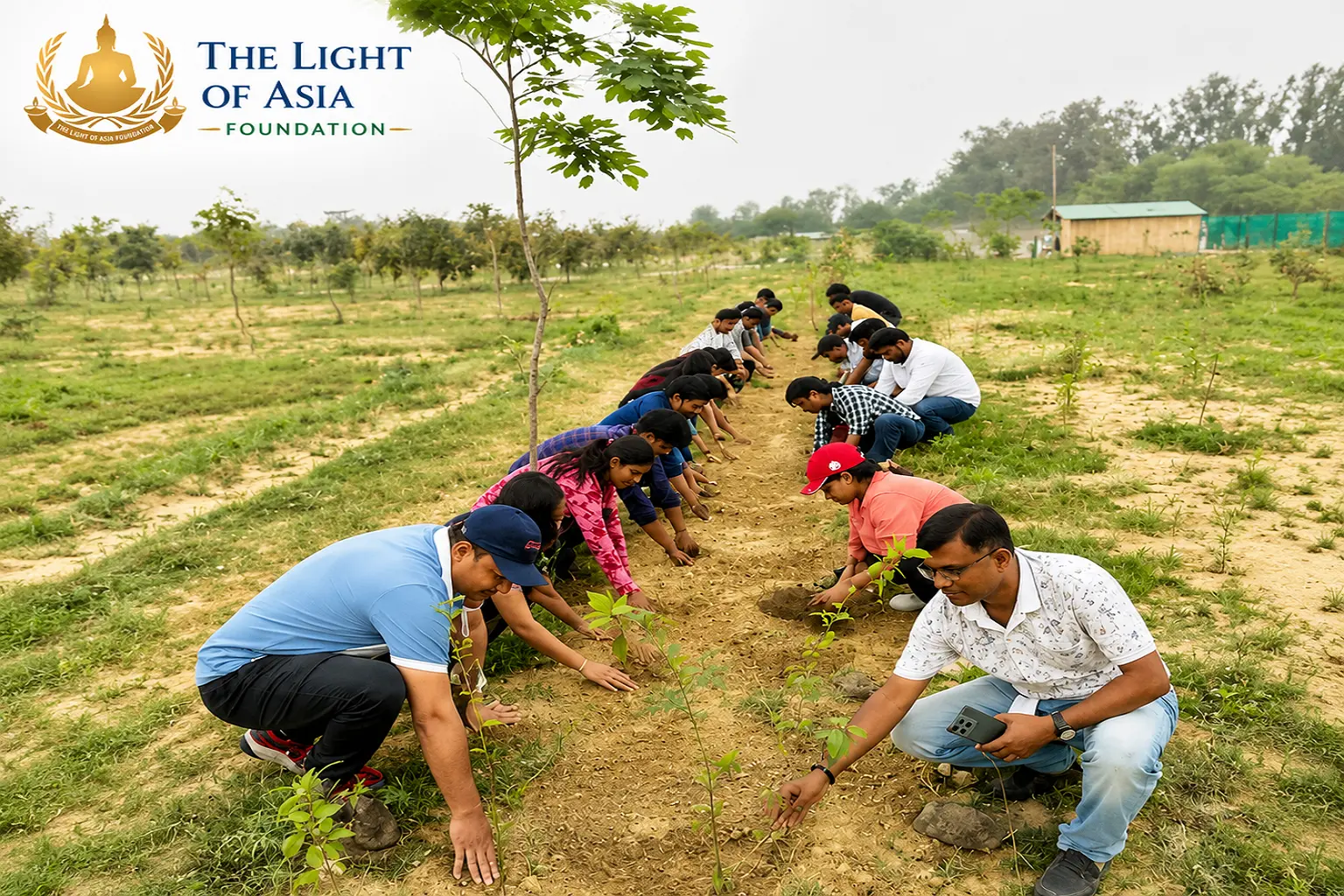
Community-led actions like tree plantation drives, clean- up campaigns, water saving projects, waste management programs , and environmental awareness activities help make a lasting effect. These attempts do more than just make the environment better, they also help the community stay closer and grow social responsibility in a more practical way.
Climate Change and the Need for Action
Climate change is like one of the biggest hurdles facing humanity, today. Global temperatures keep going up, and with that we see extreme weather episodes , droughts , floods, plus ecosystems that change in ways most people don’t expect. All of it reaches millions of people across the world.
To tackle climate change you really need actions that line up between governments, organizations , companies, and everyday communities. Cutting down carbon emissions, backing clean energy sources , keeping forests safe and helping people choose more sustainable ways of living, those are important steps to lessen environmental dangers.
The Role of The Light of Asia Foundation
At The Light of Asia Foundation, Environment Development are central to our mission. Through environmental awareness campaigns, tree plantation drives, community education, and sustainability initiatives, we encourage individuals and communities to become active participants in protecting nature and creating a greener future.
By doing awareness programs, hosting community engagement events, running educational outreach, and supporting various environmental projects, we help people and neighborhoods step in as active protectors of their own surroundings. When we encourage sustainable habits and practical routines we, in turn, hope to build healthier communities, plus a more verdant future for the next generations.
Support Our Green Mission
You can help make a cleaner and more sustainable future happen by backing environmental awareness programs, getting involved in community initiatives, volunteering for conservation work, and also chipping in on sustainability projects . In the same time, we can guard our environment, help our local communities grow, and build a brighter, more hopeful future for generations that come next.
For additional information about Environment Development, readers can explore the United Nations Sustainable Development Goals, the United Nations Environment Programme (UNEP), and the World Health Organization (WHO), which provide valuable guidance on environmental protection, climate action, and sustainable communities.